

Madeira
Why Hungary
Hungary lies at the heart of Europe and is one of the continent’s most important tourist destinations. The country has a rich history and celebrated the 1100th anniversary of its foundation in 1996.
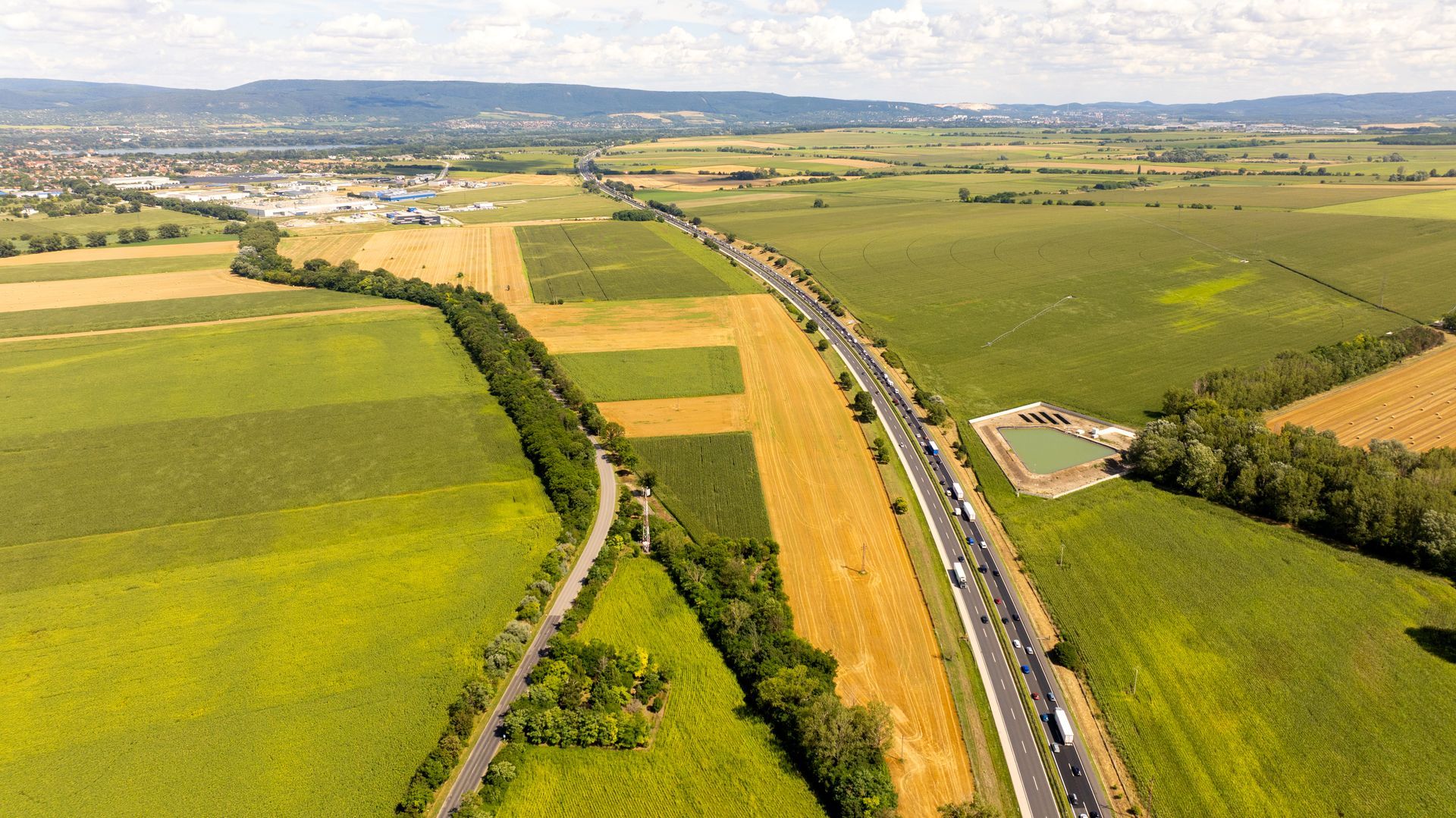
Hungary's geography is defined by its two main waterways, the Danube and the Tisza. These two rivers divide the country into three sections: Dunantul ("beyond the Danube" or Transdanubia), Tiszantul ("beyond the Tisza"), and Duna-Tisza koze ("between the Danube and Tisza").
Transdanubia is a mountainous region, incorporating the very eastern stretch of the Alps (called Alpokalja), the Transdanubian Mountains, and the Mecsek and Villany Mountains (both famous for their vineyards) in the south. In the north, the landscape is dominated by the luscious, green Carpathian foothills where Hungary’s highest peak, the Kekes, stands at 1014 metres.
The country is full to the brim with natural wonders, including the world’s largest thermal water cave system; “Heviz”, the second largest thermal lake; Lake Balaton, the largest lake in Central Europe and The Great Hungarian Plain or “Alfold”, Europe’s largest natural grasslands.

Passport, Visa & Immigration Requirements
Before travelling, you need to check what documentation (e.g. passport or ID) you…

Health, country information & culture
Before travelling abroad, it is always useful to educate ourselves a bit about the.
Latest Offers
Budapest
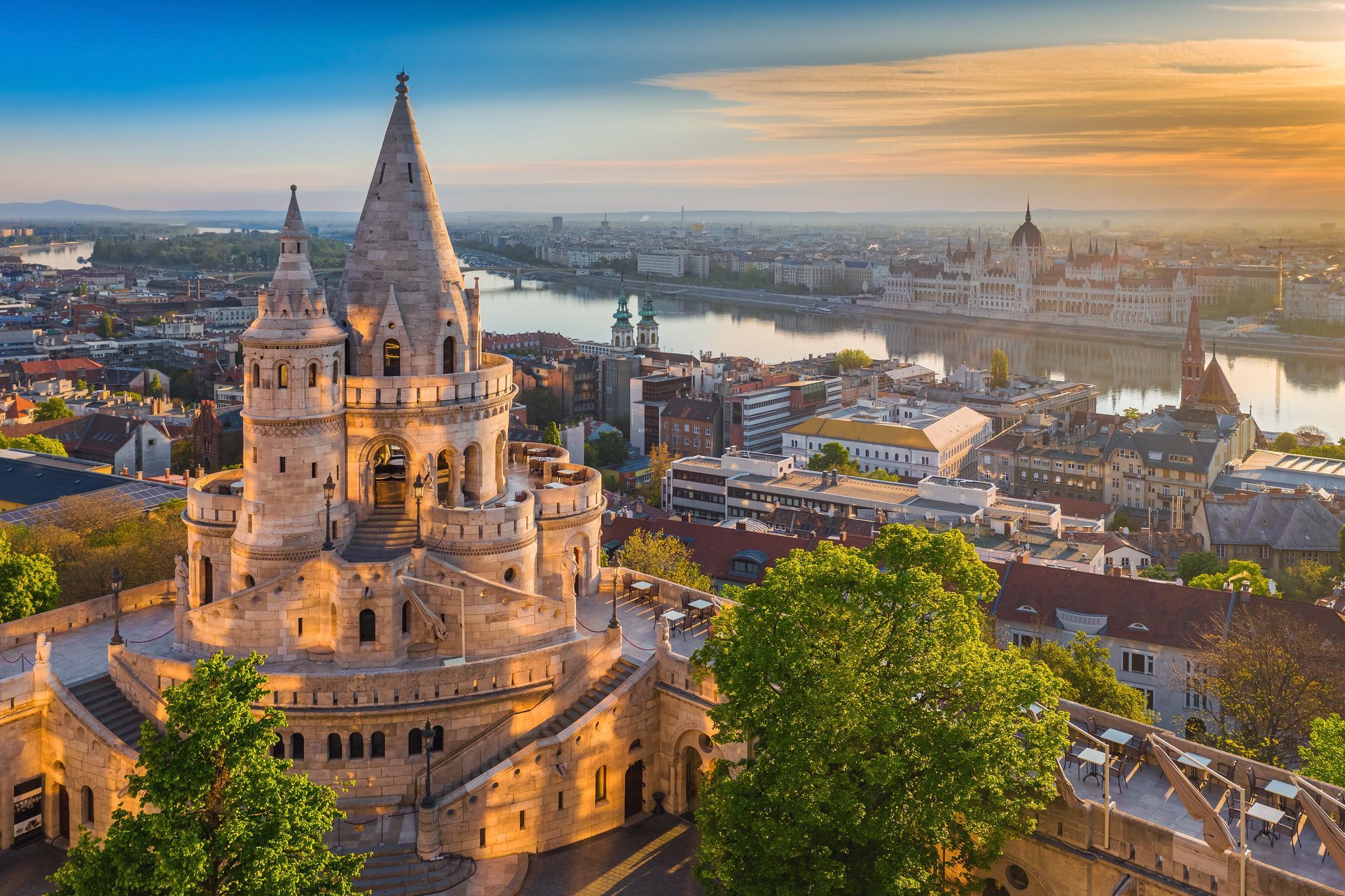
Budapest is a central European city with a thoroughly global identity. This duality is thanks to its lively history, its diverse population and its inspirational blend of cultures and lifestyles.
Its history dates back to antiquity and the remnants of Roman settlements still mark the landscape today: Obuda is host to the ruins of amphitheatres, baths and houses of the former Roman city of Aquincum. After the Romans came the Huns, Germans, Avars and Slavs: whilst they have not left too many visible traces, Pest’s name is a reminder itself of the Slav settlements.
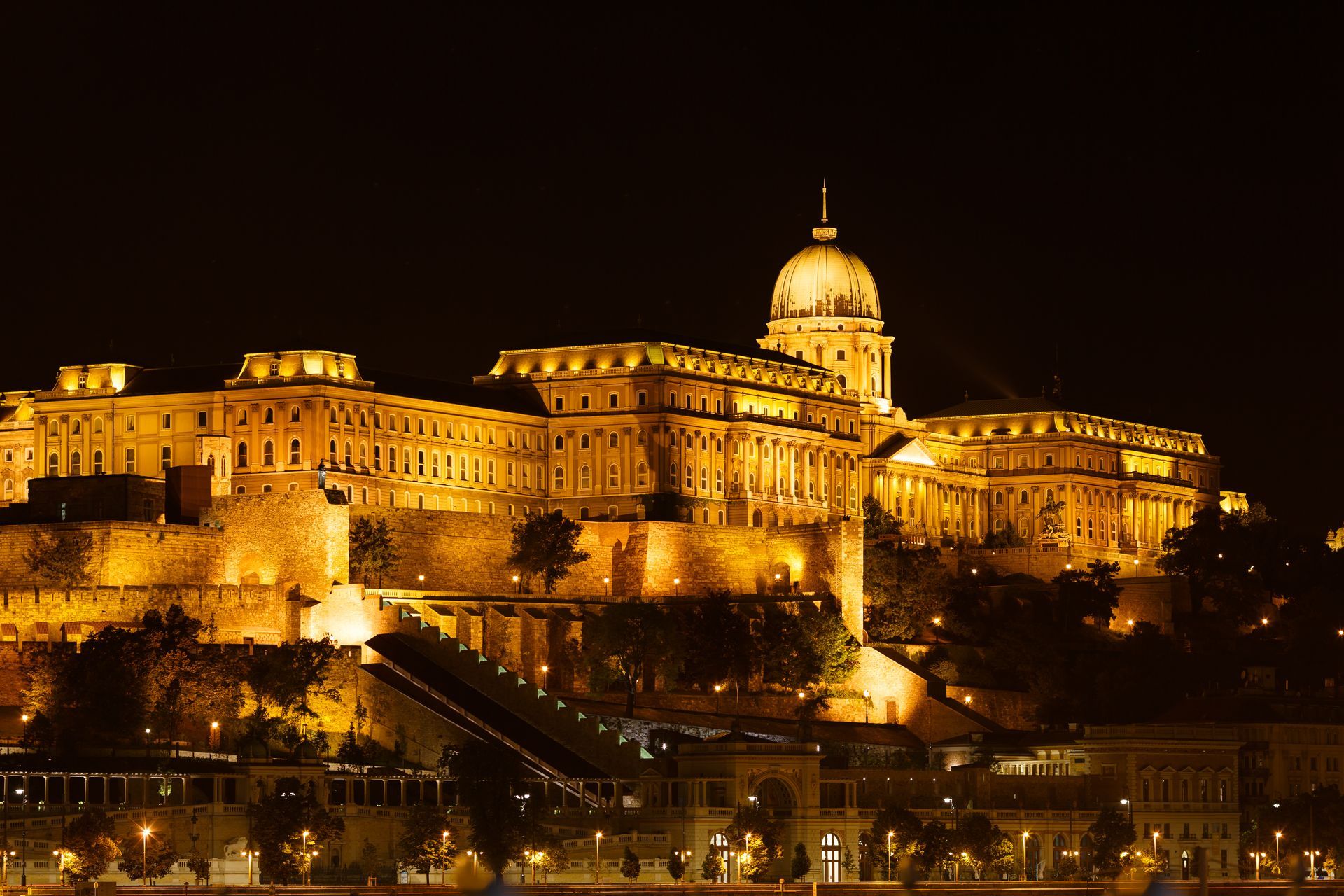
The tumultuous centuries of the early Middle Ages drew to a close with the ninth century Hungarian conquest. The Arpad kings founded the state which consolidated the location of Hungarians in that area. The monumental statue on the mountain side of Gellert Hill commemorates the many conflicts, wars and rebellions which preceded the conquest. After the destruction of the Tartar invasion (1241-1242), Buda (i.e. Pest and Obuda) and its castle gradually became the centre of the Kingdom of Hungary under the reign of the last Arpad kings and retained its importance under the reign of the Anjous and Sigismund von Luxemburg. It blossomed during the fifteenth century, especially in the time of Matyas Hunyadi, who made Buda the capital of a great regional power.
Buda was drawn to the east following the Ottoman conquest (1541), when camels appeared on its streets and the Muslims were summoned to pray from the minarets. A century and a half later, after the expulsion of the Turks, the already multi-ethnic (German, Hungarian, Jewish, etc.) settlements were enriched by large numbers of South Slavs, Germans, Slovaks, and settlers from the Habsburg Empire. One legacy of the Turkish era was the introduction of a well-developed bathing culture, one of the main attractions of Budapest.
The eighteenth century saw decades of peaceful development before the culmination of the revolution in 1848-49 and a new golden era fostered by the Austro-Hungarian Monarchy (1867-1918). The three cities of Buda, Pest and Obuda united in 1873, creating Budapest. Indeed, the city’s population still reflects that union of different cultures, customs and tastes; its multicultural population remains the city’s defining feature and an inherent part of its character. Budapest, also known as the Queen of the Danube, continued to develop rapidly until the two world wars, especially after the tragedies of the Second World War (the Holocaust and the Siege of Berlin). Although the second half of the twentieth century also began with an unsuccessful uprising - indeed, the 1956 War of Independence restored Budapest to the world map for a few days - a more peaceful era of further growth followed. A new golden age of Budapest dawned in the dynamic decades after the eradication of communist dictatorship (1989-1990).
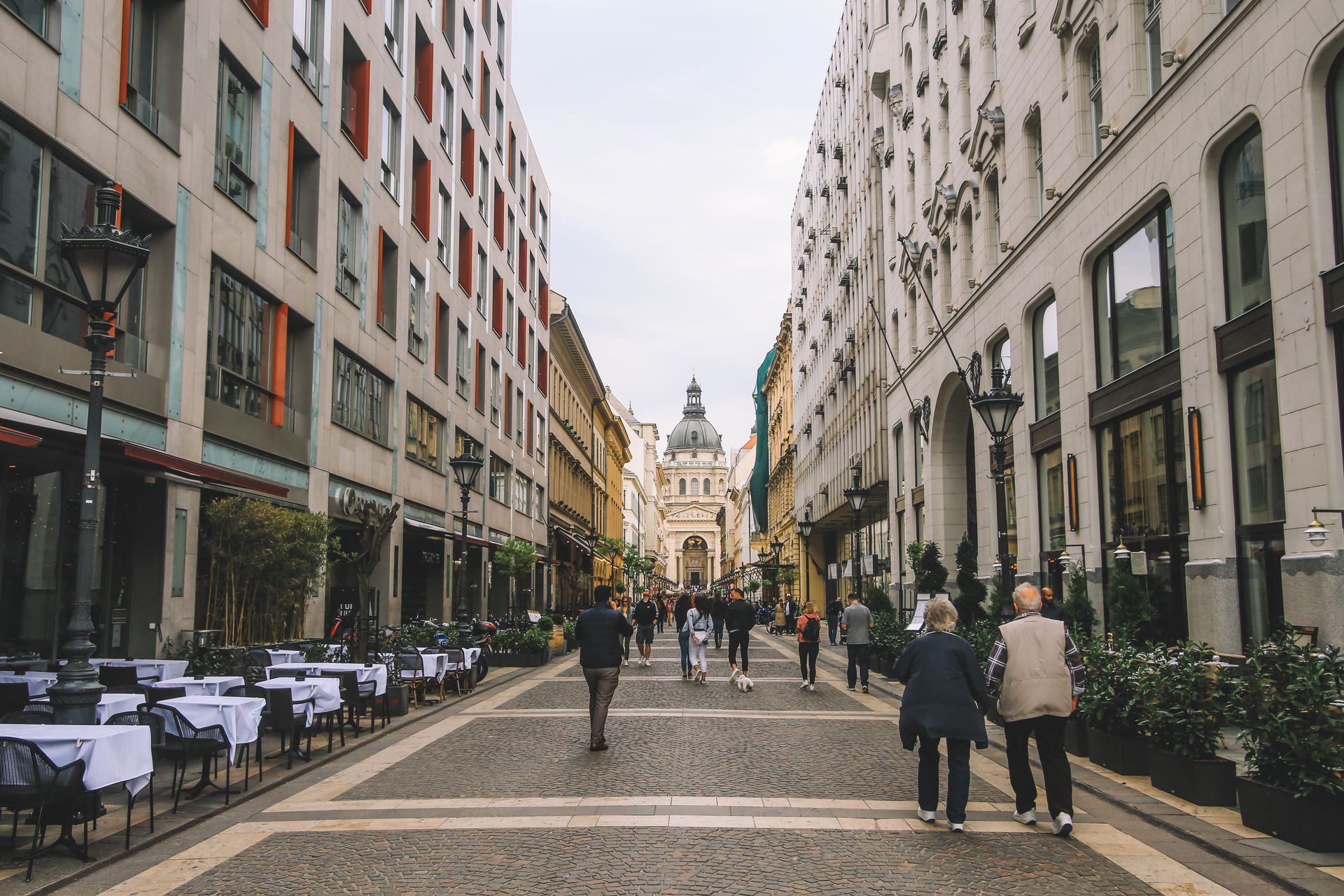
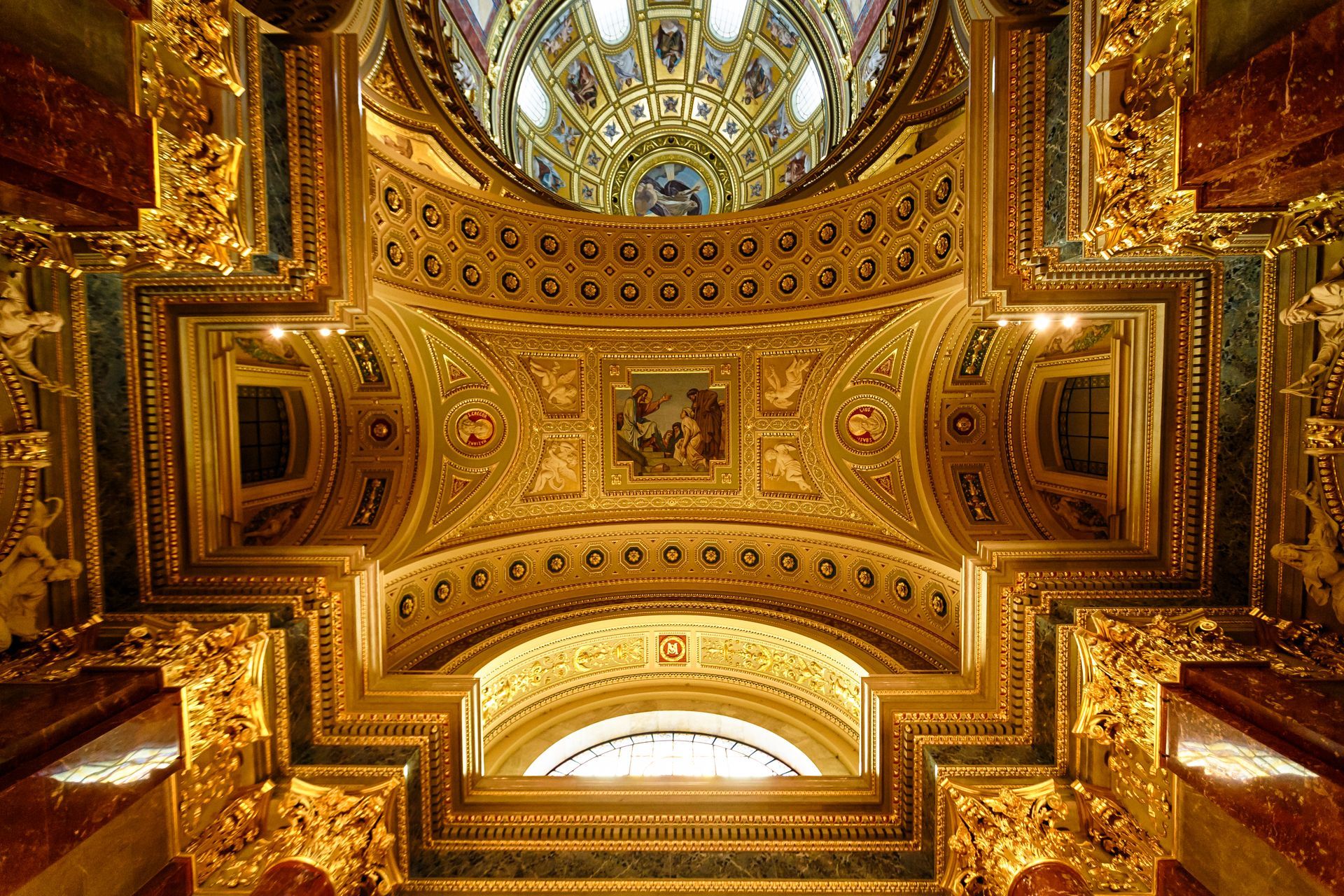
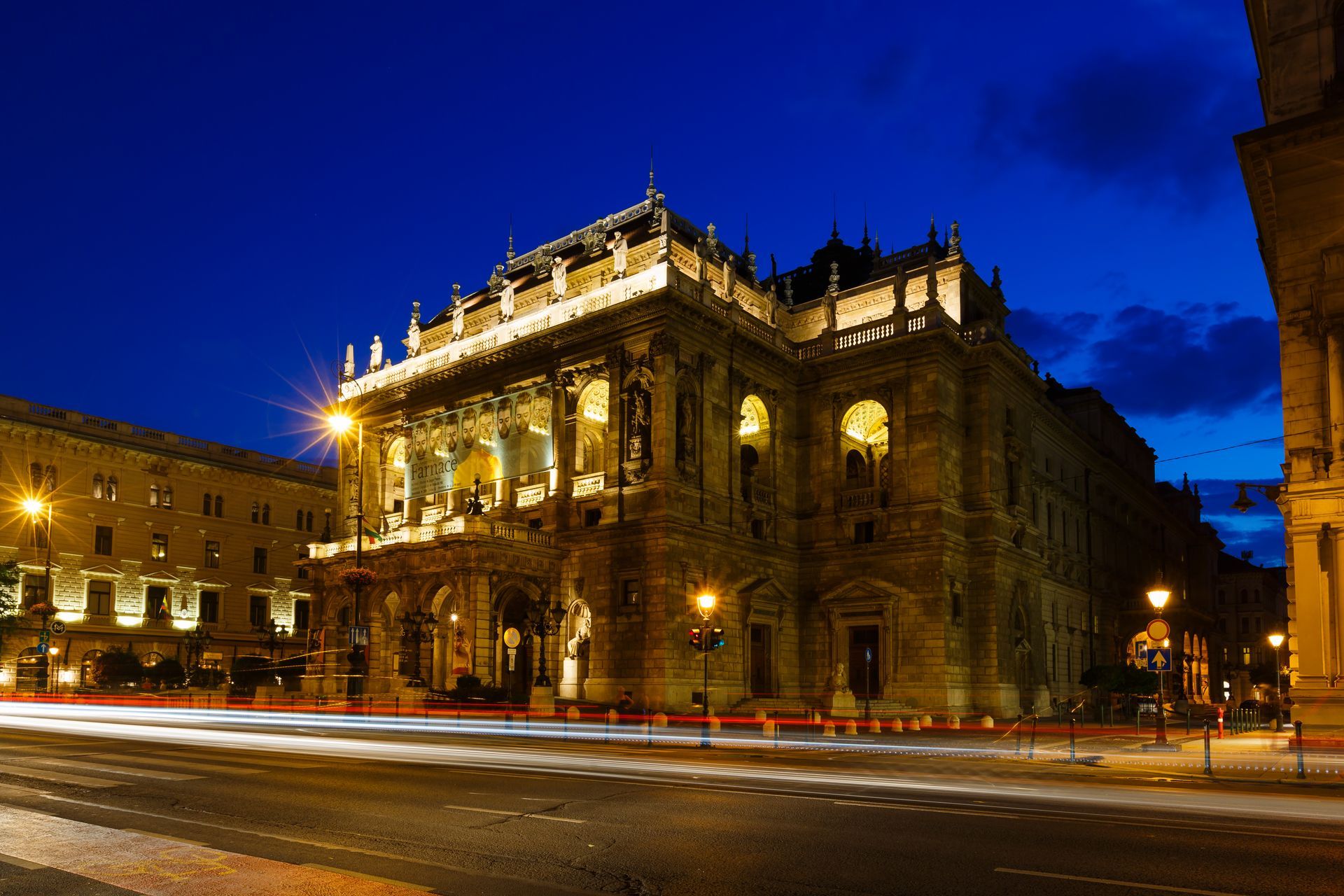
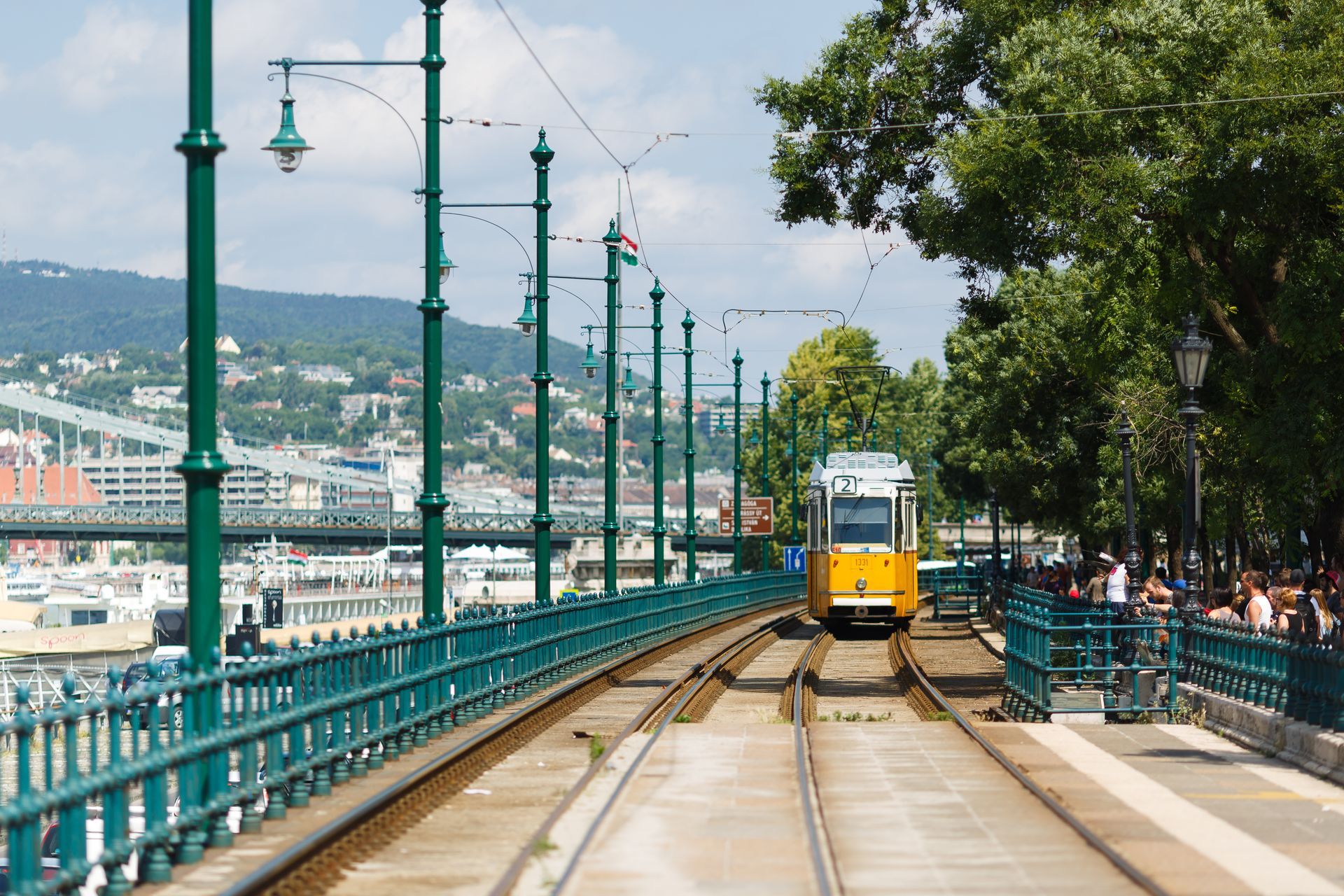
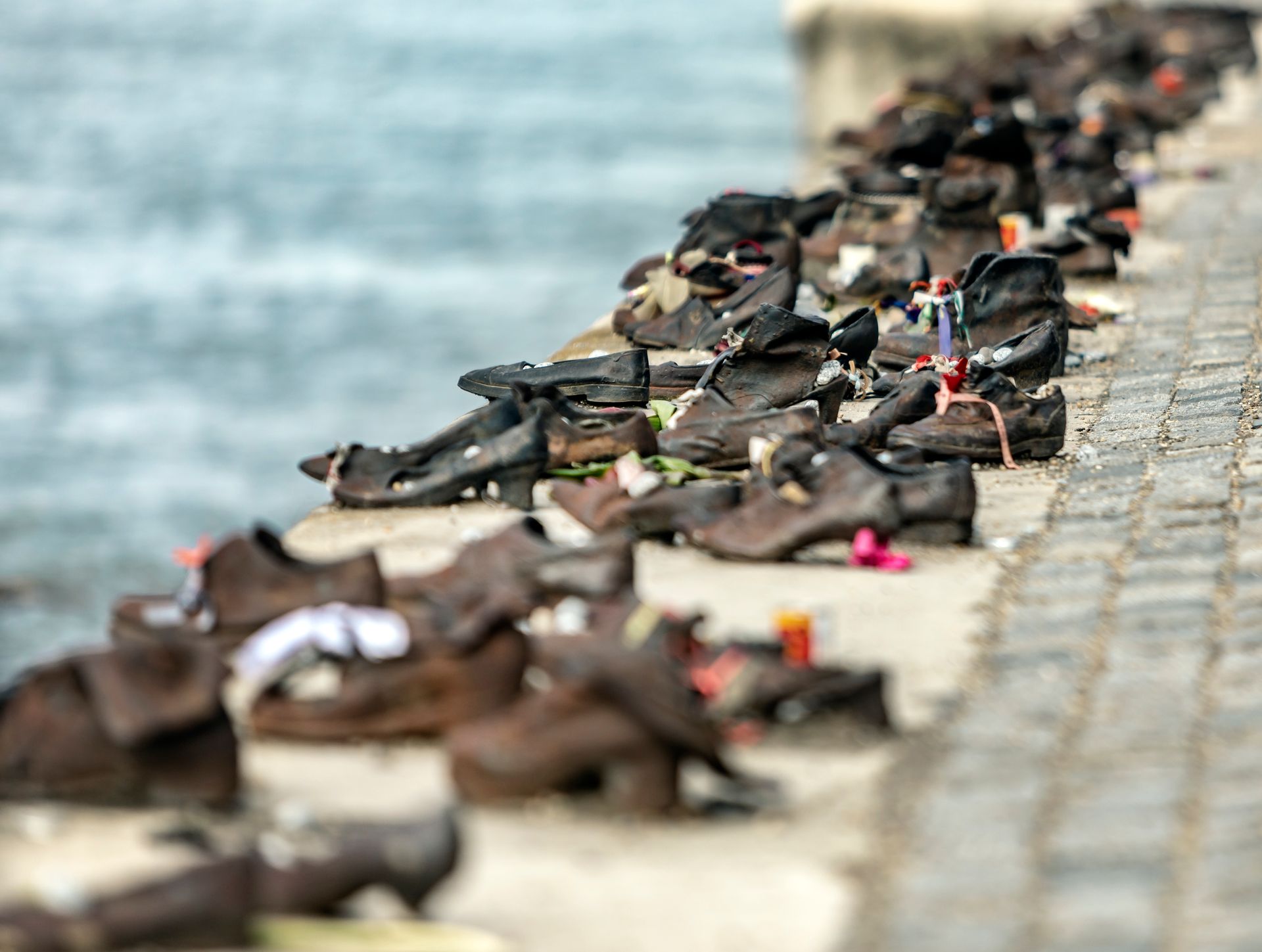
After that whirlwind history tour, it is easy to see how Budapest has all the trappings of a classic, big European city, with its own unique flavour. The architectural heritage is as varied as the city’s history: the streets of the Castle Quarter and beautiful old churches recall the towns of medieval Europe, whilst the impressive Parliament built at the turn of the century, the stunning avenues in Pest and the splendour of Heroes’ Square all contribute to Budapest’s timeless enchantment. Along with the historic and eclectic architecture, ornate public buildings and mansions, the masterpieces of the Hungarian secession, the exotic synagogues and the many buildings of the modern and socialist modernist styles of the twentieth century spring across the city.
The enormous variety in architecture is also reflected in Budapest’s culinary art and its broader cultural life. Budapest’s restaurants, cafes and street vendors wait to tempt visitors with a wealth of culinary delights. From classical Hungarian fish soup, sausages and the juicy, tasty dishes and wines of the local cuisine to Transylvanian delicacies, Slovak Strapacky, Wiener schnitzel, German and Czech Beers, and Jewish Flodni, to the many masterpieces of traditional and modern international gastronomy, Budapest has got it all. The busy hustle and bustle of the market halls is reminiscent of the fairs of the Middle Ages. Whilst the pleasure quarters of Taban and Obuda have disappeared, their atmosphere lives on in many places of Budapest and especially in the former Jewish quarter, famously known today as the “party quarter” with its ruin pubs. Budapest’s lively public squares and crowded cafés have captured the nostalgically acclaimed atmosphere of the Austro-Hungarian Monarchy and the fin de siècle. This city is a hub of cultural events, museums and galleries, as well as festivals and concerts, all of which would not feel the same without the magic setting of the city of Budapest.