

Madeira
Why Austria
Austria’s small size bears no relation to the wealth of treasured experiences the county can offer its visitors. Set in the heart of Europe, Austria offers the perfect combination of natural and cultural attractions.
The country is home to six national parks and stunning landscapes and scenery. Relics of its long and fascinating history include historic landmarks from the Roman era, medieval cathedrals, Imperial palaces and Baroque masterpieces. Well known for opulence, indulgence and innovation, the county was famously the birthplace for many famous composers, artists and designers. Unsurprisingly, one of Austria’s biggest sectors is tourism: in fact, tourism is the country’s fastest developing sector.
Visitors can relax and enjoy the timeless beauty and vibrancy of the country together with the charm and welcome of their Austrian hosts. The Austrian tourism board could not have put it better: “Arrive and Revive”!

Passport, Visa & Immigration Requirements
Before travelling, you need to check what documentation (e.g. passport or ID) you…
Health, country information & culture
Before travelling abroad, it is always useful to educate ourselves a bit about the.
Latest Offers
Vienna
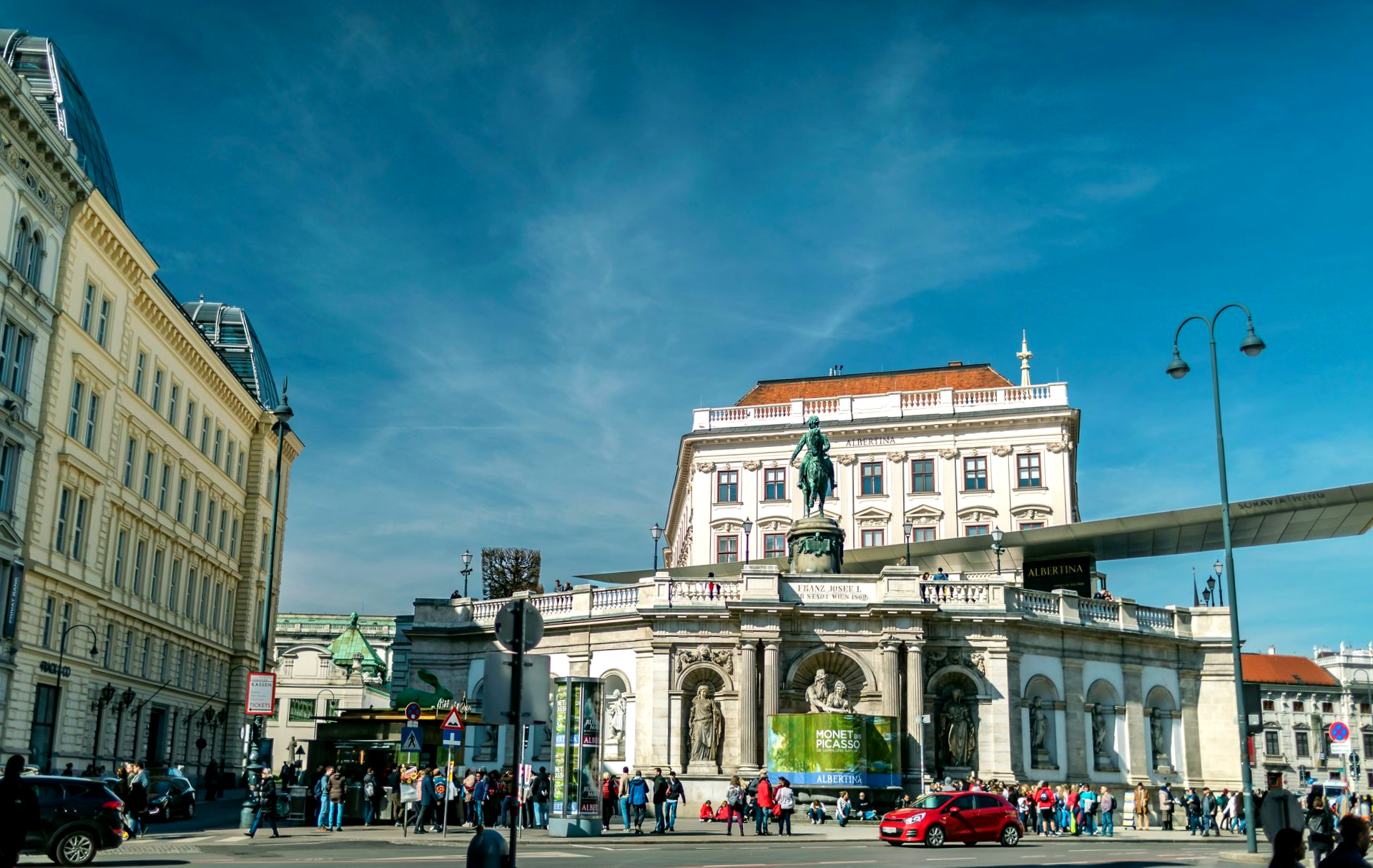
Austria’s capital has much to offer and is famous for its cultural events, majestic architecture, coffee houses, cosy wine taverns and, most of all, the very special Viennese charm.
Vienna has a rich history, dating back to around about the first century AD with the establishment of the Roman military camp, Vindobona. The city’s landscape today boasts a wealth of baroque buildings, mostly built under the rule of Empress Maria Theresia and Emperor Franz Joseph. The pair were certainly responsible for much of the grand architecture around the Ringstraße.
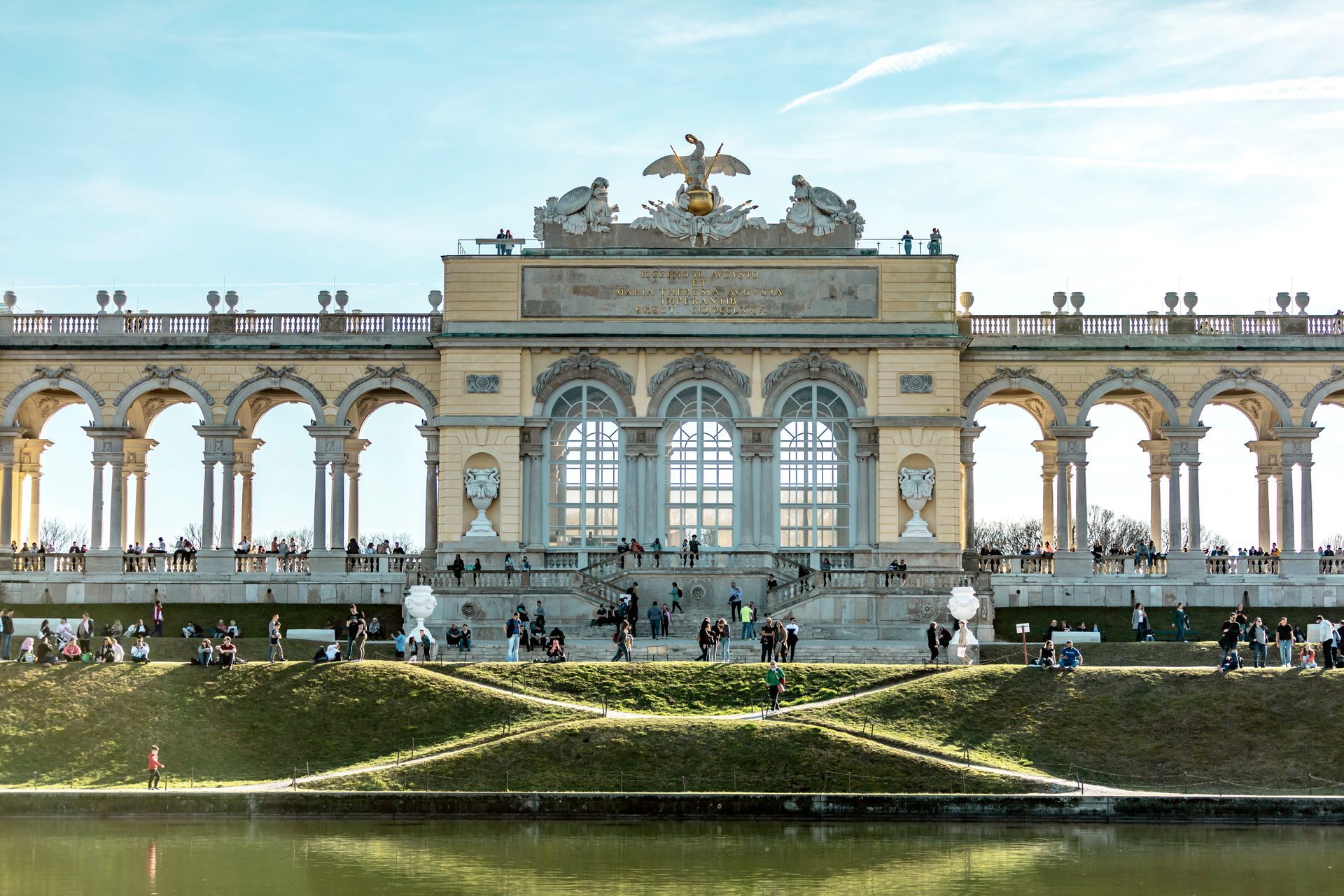
Schönbrunn Palace is one of Vienna's most popular sights. The sumptuous palace was a former imperial summer residence and still today it boasts stunning gardens, the Gloriette monument, Palm House and even a zoo, attracting great crowds of visitors every year.
Vienna certainly has its fair share of imperial palaces. The huge Hofburg is also a visitor favourite, having acted as the base of the Habsburgs for over six hundred years.
Another giant of Baroque architecture, Belvedere Palace, hosts the Österreichische Galerie (Austrian Gallery). The gallery offers its visitors the chance to view the largest collection of works by Klimt and Kokoschka, as well as well-known paintings by Schiele.
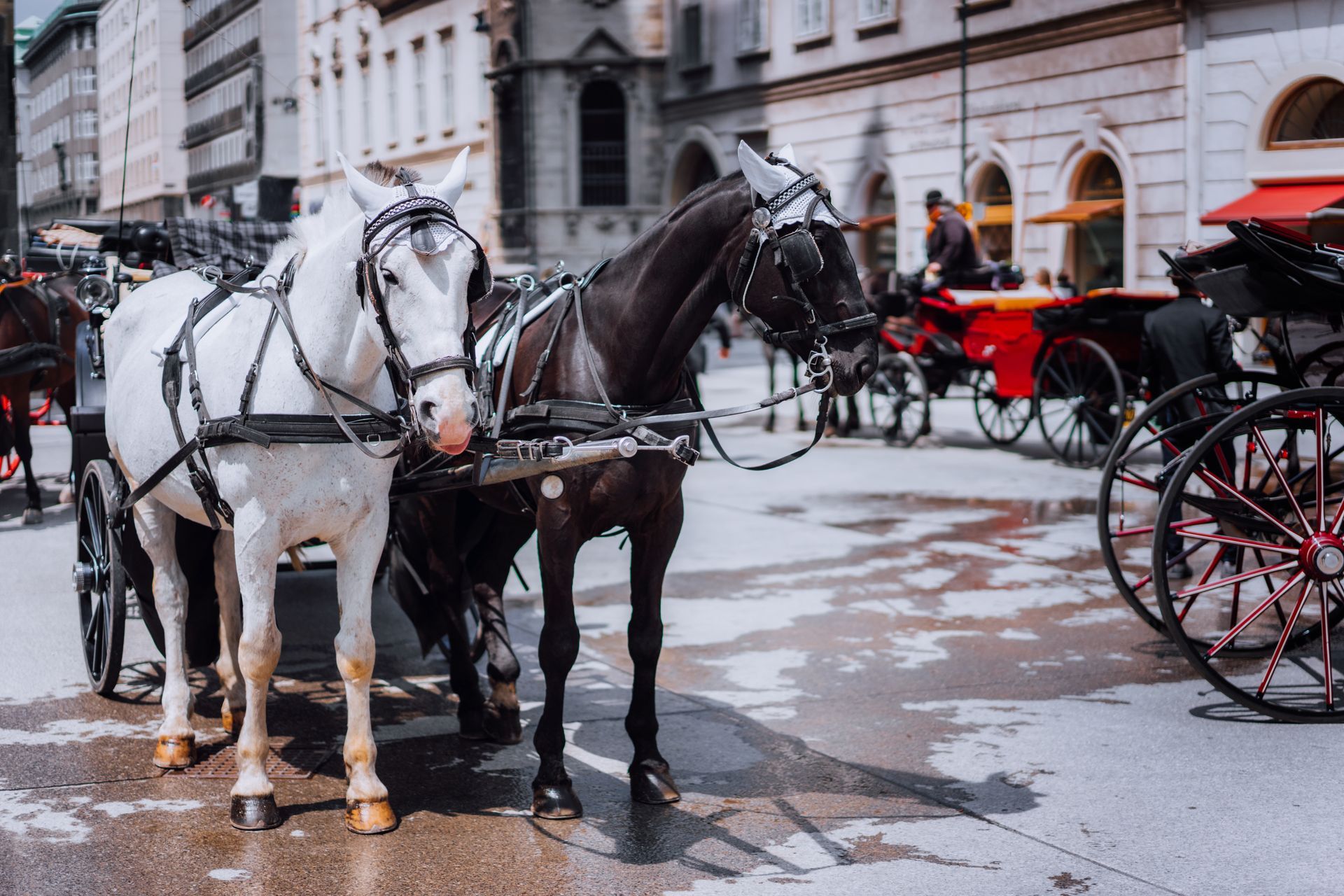
Vienna’s great palaces are just some of the magical sights the city has to offer. Stephansdom, Vienna’s gothic cathedral (St. Stephen’s Cathedral), the Prater, Vienna’s great park, including its giant wheel, and the famous Lipizzaner horses at the Spanish Riding School wait to amaze their visitors. The Imperial Butterfly House, set in the heart of Vienna, offers a tropical oasis housed in one of the world’s most beautiful Art Noveau palm houses. Surrounded by four hundred free-fluttering butterflies, visitors are amazed by the colours and beautiful surroundings of waterfalls and tropical plants.
Vienna is packed with museums and galleries with international reputations. The Museum of Fine Arts hosts the world’s largest collection of Bruegel paintings, and the famous MuseumsQuartier boasts the Leopold Museum, the Museum Moderner Kunst (Museum of Modern Art), Architekturzentrum (Architectural Center) and the Kunsthalle.
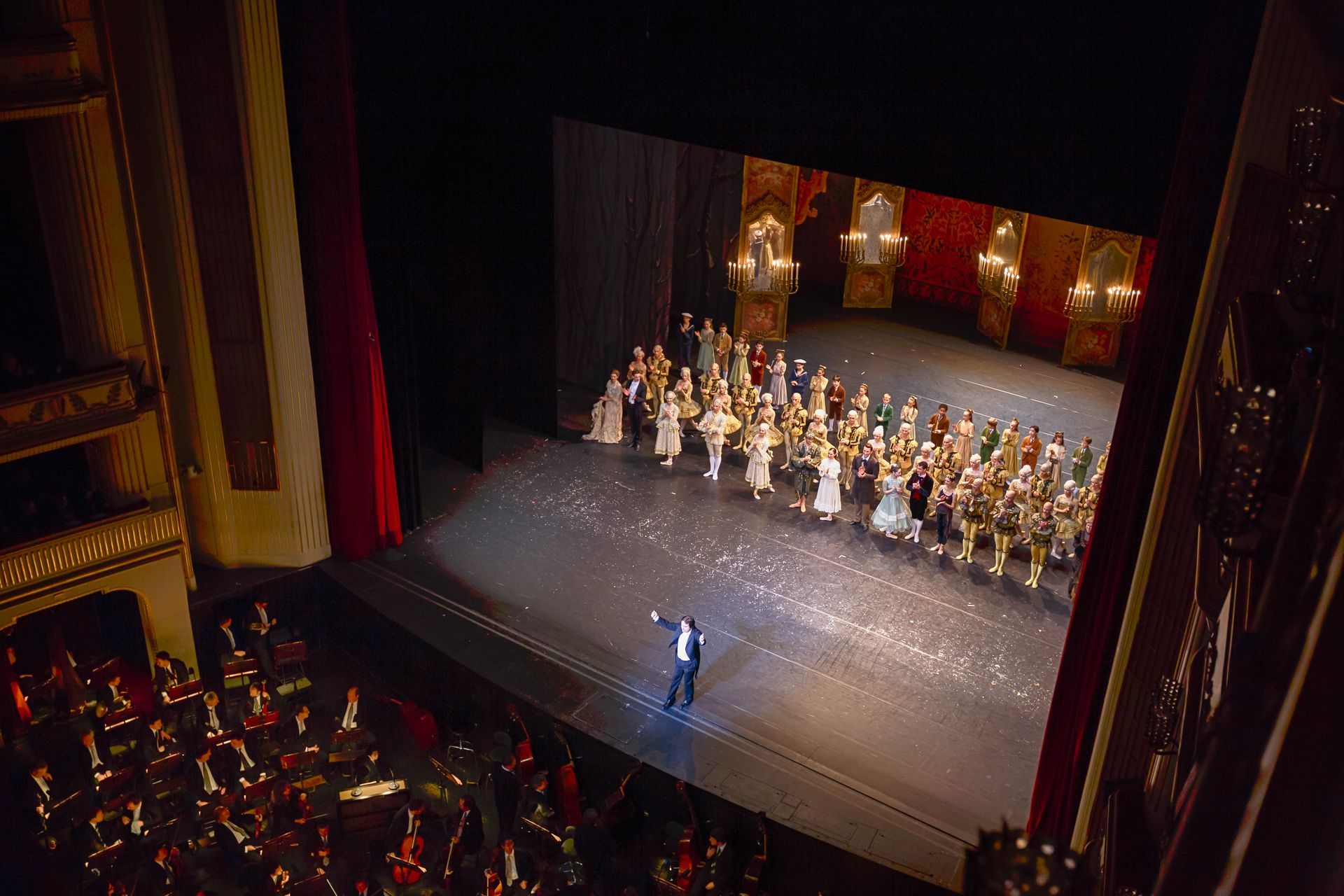
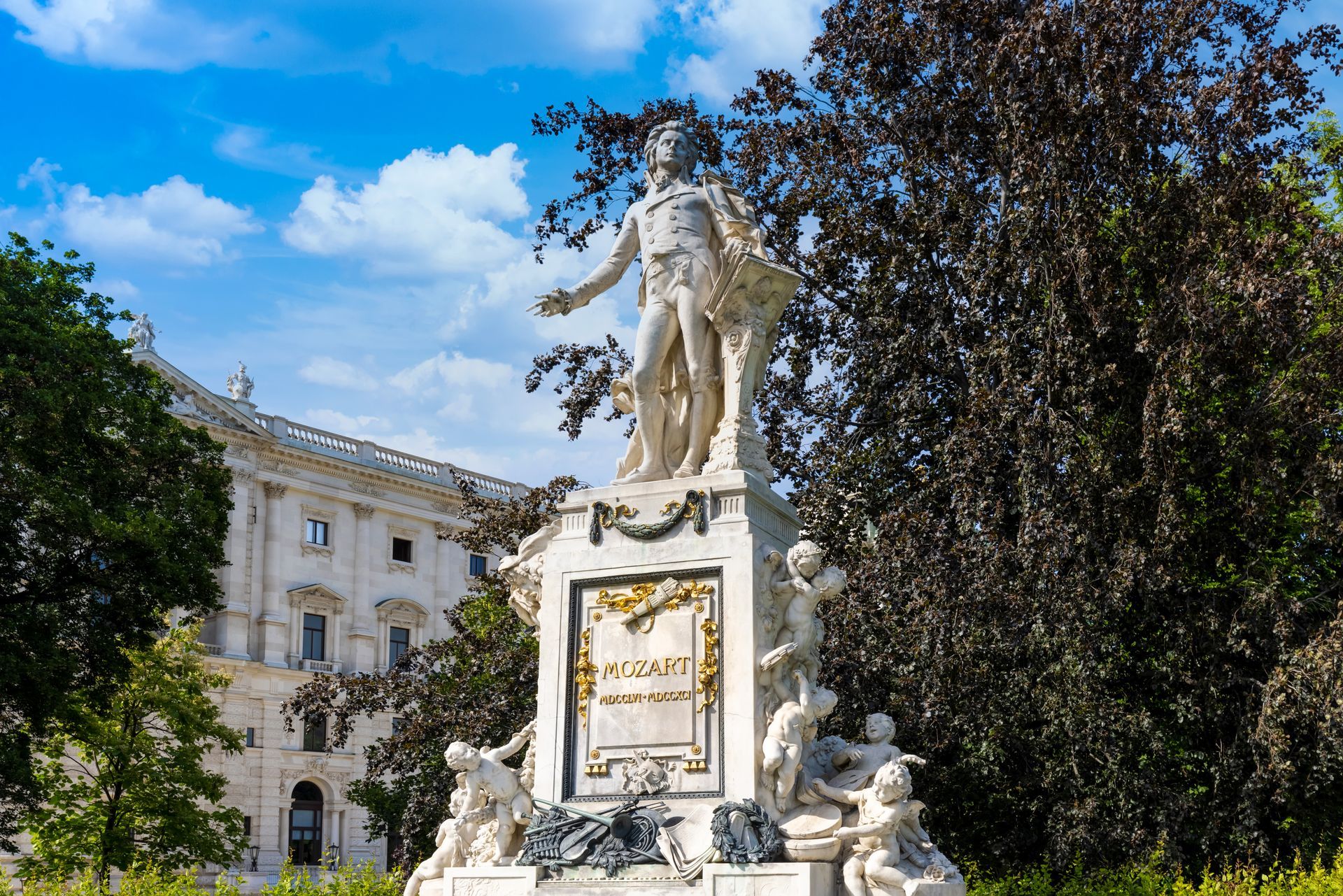
The name Vienna goes hand in hand with the names of the many world-renowned composers who lived in the city, such as Strauß, Mozart, Beethoven and Haydn. Fittingly, the State Opera, The Vienna Philharmonic Orchestra and the Vienna Bpys’ Choir are giants on the world’s opera stage.
Last, but certainly not least, Vienna is also known for its old coffee house culture and cosy wine taverns. These rustic venues stand alongside fantastic shops and restaurants, creating a unique and timeless atmosphere. The city also plays host to many traditional events and internationally acclaimed extravaganzas such as the Life Ball, making it a vibrant and exciting place to visit.
Combine all of this charm and character with the green spaces such as the Wienerwald, the Prater and Danube Island, and you’ve got a very special city to visit indeed!
Salzburg
This picturesque city has many strings to its bow. Not only is it adorned by a wealth of churches, castles and palaces, it was the birthplace of Wolfgang Amadeus Mozart and its old town boasts UNESCO World Heritage Site credentials.
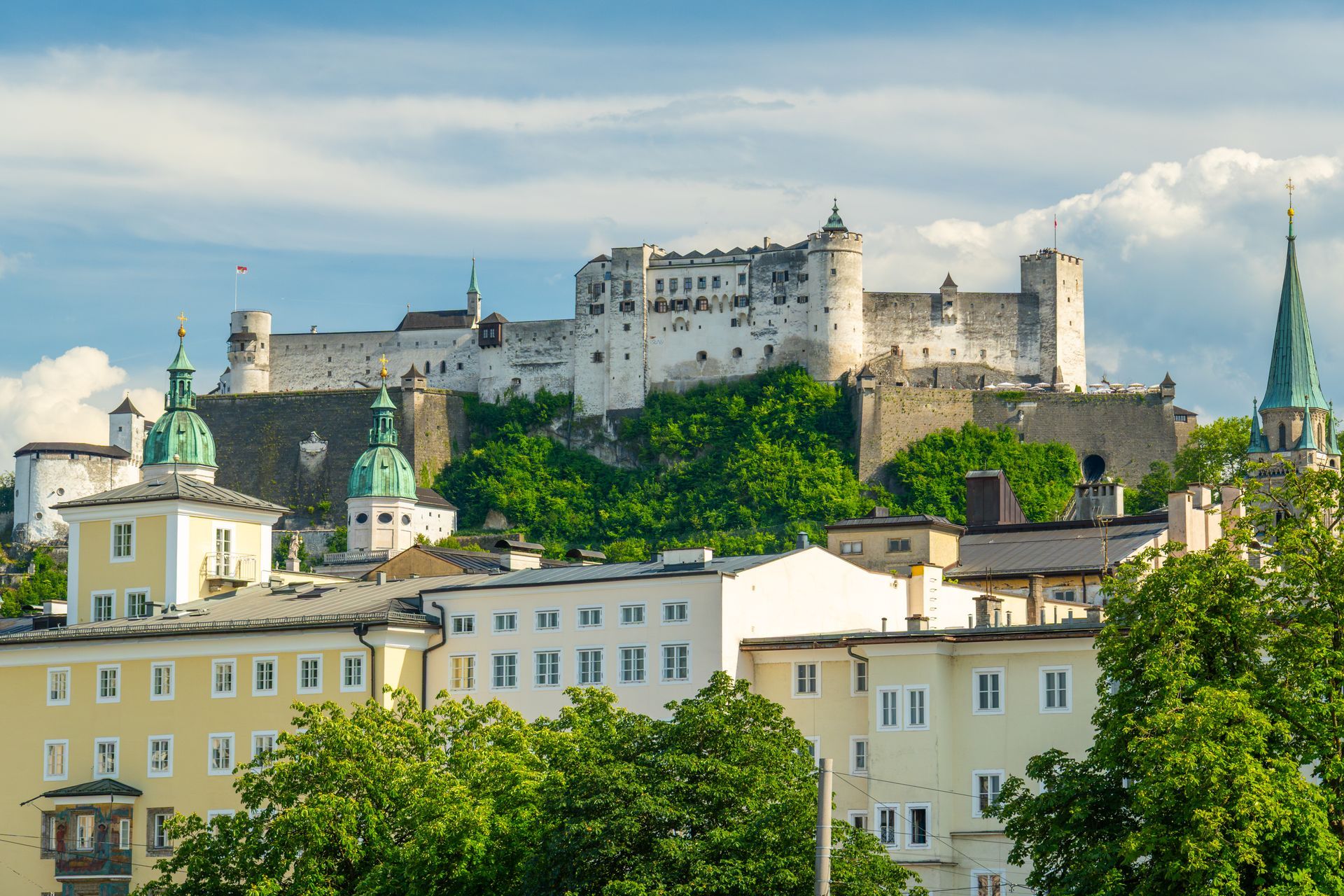
Amongst the many must-see sites is the Hohensalzburg Fortress, Central Europe’s largest preserved fortress. Visitors can marvel at the majestic, imposing walls, the stunning setting and the privileged views of the city. The Princely Residence is also a highlight of any visit to Salzburg; the magnificent early Baroque building boasts vast and resplendent halls and an art gallery showcasing European paintings dating between the sixteenth and nineteenth centuries. In the nearby Old Town, the grand Salzburg Dom is the main attraction and even includes the Romanesque baptismal font which witnessed Mozart’s own baptism.
Follow in Mozart’s footsteps and visit his Geburtshaus, located in Getreidegasse, the very place where the composer was born on 27th January 1756. Visitors can then make the most of Salzburg’s most frequented shopping street, with its timeless high and narrow buildings and romantic courtyards. The Mirabell Palace is also a must-see; its stunning gardens were built by the baroque master builder Lukas von Hildebrandt.
Salzburg plays host to over 4, 000 cultural events, making it one of the most important European cultural cities. The Salzburger Festspiele, a festival of operatic and theatrical performances, is the highlight in Salzburg’s event calendar with a history dating back to 1920. Indeed, at the foot of Mönchsberg, the city has its very own Festival District with two famous festival halls: the magnificent Felsenreitschule was designed by Baroque master designer, Fischer von Erlach in 1693. To the south of the Old Town, the popular Hellbrunn Palace displays the world-famous "Wasserspiele" section, waiting to entertain and wow visitors with its many ingenious trick fountains and water-powered figures. Lastly, the Salzburg Museum of Modern Art, which sits atop Mönchsberg mountain, hosts contemporary art by the likes of Gustav Klimt, Oskar Kokoschka, Alfred Kubin, Hermann Nitsch and Oswald Oberhuber. Its special location provides the ideal place for a spot of lunch with a view in the museum’s restaurant.